
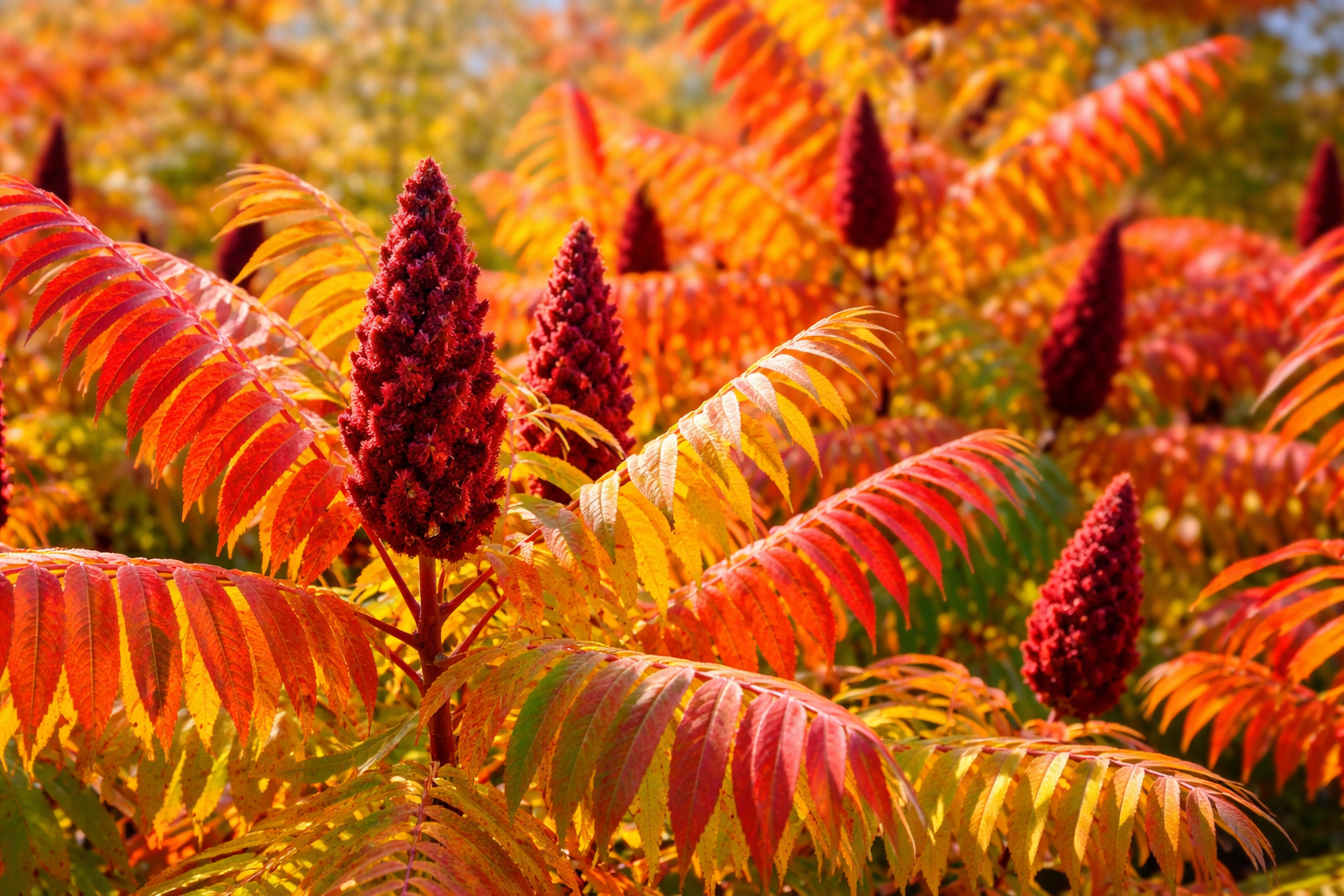
Sumaksläktet is the Swedish term used to describe the botanical genus Rhus, commonly known as sumac in English, and it belongs to the Anacardiaceae family which also includes plants like mango and cashew. This genus includes around 200 to 250 species that grow as shrubs, small trees, or woody plants across different regions of the world. It is widely recognized for its ecological importance, ornamental value, and historical uses in food and traditional practices.
These plants are mainly found in temperate and subtropical regions, including North America, Asia, and parts of Africa, where they adapt easily to different environments. Sumaksläktet species are known for their resilience and ability to thrive in poor soils and disturbed landscapes where many other plants cannot survive. Because of this adaptability, they play a significant role in both natural ecosystems and cultivated landscapes.
Botanical Characteristics of Sumaksläktet
Plants in sumaksläktet are easily identified by their compound leaves, which are usually arranged alternately and have a pinnate structure with multiple leaflets. These leaves give the plant a feather-like appearance and become especially striking during autumn when they turn bright shades of red, orange, and yellow. This seasonal color change makes many species popular choices for ornamental planting in gardens and parks.
The flowers are small and typically grow in dense clusters or panicles, creating a noticeable visual effect despite their individual simplicity. After flowering, the plants produce clusters of small, round fruits known as drupes, which are often red or reddish-brown and covered with fine hairs. These fruits not only add decorative value but also serve as an important food source for wildlife.
Geographic Distribution and Habitat
Sumaksläktet is widely distributed across different parts of the world and is known for its ability to grow in a variety of climates and soil types. In North America, species such as Rhus typhina and Rhus glabra are commonly found in open areas, forest edges, and along roadsides. These plants often act as pioneer species, meaning they are among the first to grow in disturbed or cleared land.
In Asia and Africa, different species of sumaksläktet are adapted to local conditions, including dry and semi-arid environments. These plants can grow in sandy, rocky, or nutrient-poor soils, showing a high level of environmental tolerance. Their ability to spread through root suckers allows them to form dense colonies that help stabilize soil and prevent erosion.
Ecological Importance of Sumaksläktet
Sumaksläktet plays an important role in supporting ecosystems by providing food and shelter for wildlife. The fruit clusters are especially valuable for birds, offering a reliable food source during seasons when other resources are limited. In addition to feeding wildlife, the dense growth of these plants creates safe nesting areas for birds and small animals.
The flowers of sumaksläktet attract pollinators such as bees, which are essential for maintaining ecological balance. These plants also help improve soil stability by spreading quickly and covering exposed ground, reducing the risk of erosion. As pioneer species, they contribute to the early stages of ecological recovery in disturbed environments.
Uses of Sumaksläktet in Human Culture
Sumaksläktet has been used by humans for centuries in various ways, including culinary, medicinal, and ornamental applications. One of the most popular uses is the production of sumac spice, which is made from the dried berries of certain species like Rhus coriaria. This spice is known for its tangy, lemon-like flavor and is widely used in Middle Eastern cuisine.
In addition to its use as a spice, sumaksläktet has been used in traditional medicine for its astringent and anti-inflammatory properties. Different parts of the plant, such as leaves and bark, have been used to treat various health conditions. The plants are also widely cultivated for decorative purposes due to their vibrant foliage and unique appearance.
Toxicity and Safety Considerations
While many species in sumaksläktet are harmless or beneficial, some related plants can cause allergic reactions and should be handled with care. Certain species that were once grouped with sumac are now classified under a different genus known as Toxicodendron, which includes poison ivy and poison sumac. These plants contain an oil called urushiol that can cause skin irritation.
It is important to distinguish between edible and toxic varieties when dealing with sumaksläktet. Edible species typically produce red fruit clusters, while toxic relatives often have white or pale berries. Proper identification is essential to ensure safety, especially when using the plant for food or medicinal purposes.
Growth and Reproduction
Sumaksläktet species are known for their rapid growth and ability to spread efficiently through root suckers. This growth habit allows them to form dense colonies that can cover large areas over time. While this is beneficial in natural ecosystems, it may require control in garden settings to prevent excessive spreading.
The plants also reproduce through seeds, which are often dispersed by birds that feed on the fruit. These seeds may require specific conditions, such as exposure to cold temperatures, to germinate successfully. This combination of seed dispersal and vegetative growth makes sumaksläktet highly adaptable and resilient.
Cultivation and Maintenance
Growing sumaksläktet in a garden is relatively easy due to its low maintenance requirements and adaptability. These plants prefer full sunlight but can also tolerate partial shade, making them suitable for different garden conditions. They are not very demanding when it comes to soil and can grow in a variety of soil types.
Once established, sumaksläktet plants are generally drought-tolerant and require minimal watering. However, gardeners may need to manage their spread by removing unwanted shoots or using barriers. Regular pruning can also help maintain the desired shape and size of the plant.
Economic and Industrial Uses
Beyond culinary and ornamental uses, sumaksläktet has also been important in various industries. The plants contain high levels of tannins, which are natural compounds used in the process of leather tanning. These tannins help preserve and strengthen animal hides, making them valuable in traditional industries.
Sumaksläktet has also been used as a natural dye, producing shades of yellow, brown, and black when combined with other substances. These dyes were widely used before synthetic alternatives became common. The versatility of the plant makes it valuable not only in traditional practices but also in modern sustainable applications.
Conclusion
Sumaksläktet is a diverse and valuable genus of plants that holds importance in both natural ecosystems and human society. Its ability to adapt to different environments, combined with its ecological benefits and practical uses, makes it a remarkable group of plants. From providing food for wildlife to offering culinary and industrial applications, sumac continues to play a meaningful role across the world.
Understanding sumaksläktet helps highlight the connection between plants and their environment, as well as their impact on human life. Whether grown for decoration, used in cooking, or valued for its ecological role, this genus remains an important and fascinating subject of study.
FAQs
What is sumaksläktet
Sumaksläktet is the Swedish name for the plant genus Rhus, commonly known as sumac in English, which includes shrubs and small trees found in various parts of the world.
Is sumaksläktet edible
Some species produce edible berries that are used as a spice, but not all types are safe, so proper identification is important.
Where does sumaksläktet grow
It grows in temperate and subtropical regions such as North America, Asia, and Africa, often in open or disturbed areas.
What is sumac spice
Sumac spice is made from dried berries of certain species and is known for its sour, lemon-like taste used in cooking.
Is sumaksläktet easy to grow
Yes, it is easy to grow and maintain, but it can spread quickly, so it may require control in garden environments.
