
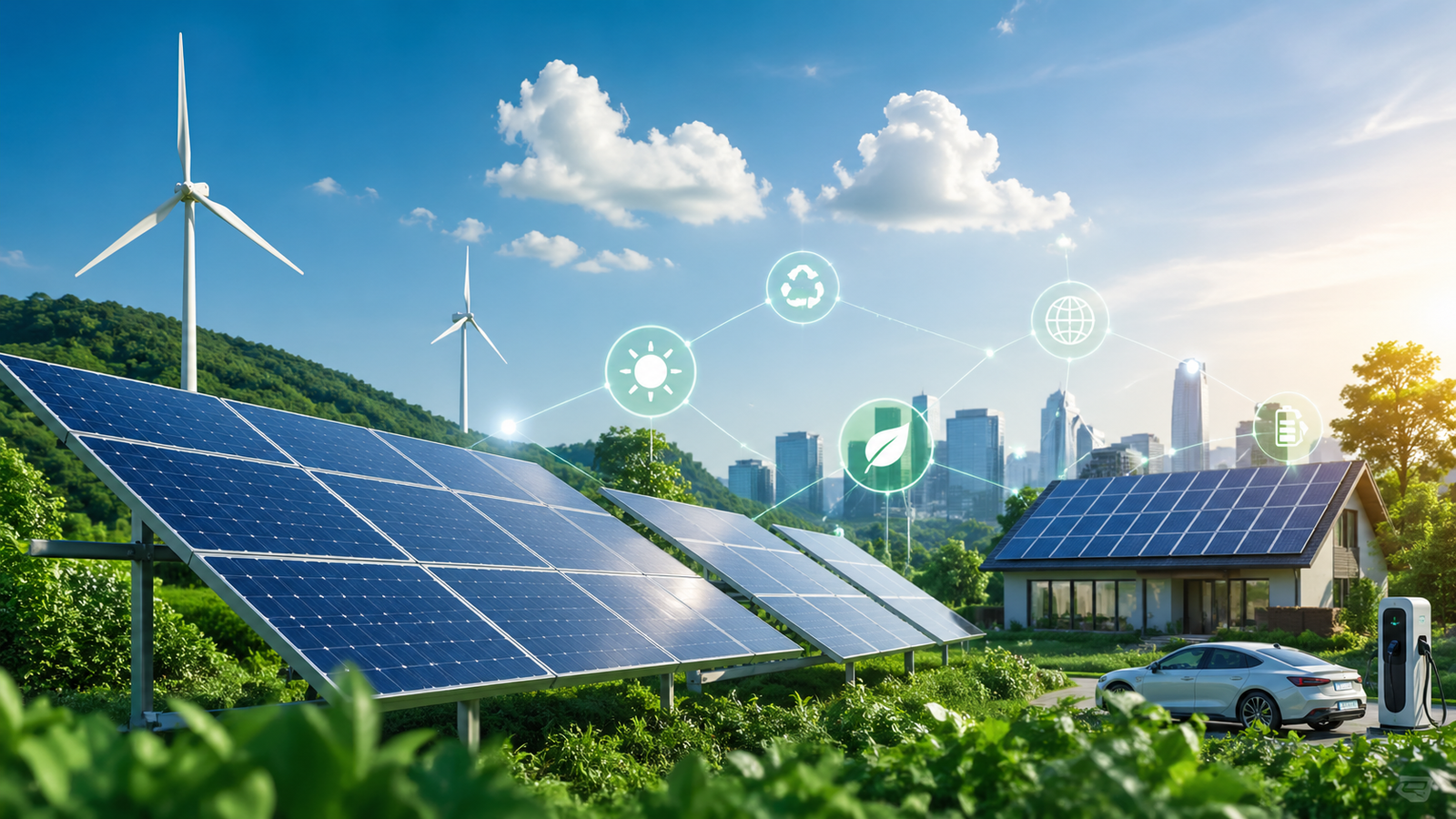
Smart solar panels are reshaping the way renewable energy is generated, managed, and consumed. Unlike traditional photovoltaic systems, these advanced panels incorporate digital monitoring, sensors, and communication technologies that allow them to optimize performance in real time. As energy demand increases and environmental concerns intensify, the role of efficient solar technologies becomes more significant. We will explore how smart solar panels contribute to a greener energy future by improving energy efficiency, reducing waste, and enabling better integration with modern energy systems. Their ability to adapt to environmental conditions and user needs makes them an important part of sustainable infrastructure development.
Intelligent Energy Monitoring and Real-Time Optimization
Intelligent energy monitoring is one of the defining features of smart solar panel systems, allowing users and energy managers to track performance with precision. Embedded sensors continuously collect data on sunlight exposure, temperature, voltage output, and system health. This data is transmitted to software platforms that analyze efficiency patterns and detect irregularities. As a result, energy production can be optimized in real time rather than relying on static performance estimates. When shading, dust accumulation, or weather changes occur, the system can adjust output distribution or alert users for maintenance. This proactive approach reduces energy loss and extends system lifespan.
In addition, real-time analytics help households and businesses understand consumption behavior, enabling better decisions about when and how to use energy. Over time, these insights contribute to more responsible energy management practices. The combination of monitoring and automation ensures that solar installations operate closer to their maximum potential under varying environmental conditions. This capability is particularly valuable in regions with unstable weather patterns or inconsistent sunlight availability, where traditional systems may underperform without adaptive controls and intelligent correction mechanisms improving reliability and overall energy yield throughout the year, as seen in modern smart solar solutions offered by systems like https://aws-solar.com/, while also supporting reduced maintenance costs and better long-term system stability.
Improved Energy Efficiency Through Adaptive Technology
Adaptive technology in smart solar panels significantly improves energy efficiency by allowing systems to respond dynamically to environmental changes. Unlike conventional solar systems that operate at a fixed output curve, smart panels adjust their behavior based on real-time inputs such as irradiance levels, shading, and thermal conditions. This adaptive response is enabled by integrated microprocessors that regulate energy conversion processes for maximum efficiency. When conditions are favorable, the system increases output capture, and when conditions decline, it redistributes load or stores excess energy for later use. These mechanisms reduce wasted energy and enhance overall system productivity.
Furthermore, adaptive algorithms continuously learn from historical performance data, refining operational strategies over time. This learning capability allows solar installations to become more efficient over time. In addition, improved conversion efficiency reduces dependence on non-renewable energy sources, thereby lowering carbon emissions. The combination of automation and responsiveness ensures that energy generation remains stable even in fluctuating environmental conditions. This also supports decentralized energy planning and enables households to better align consumption with production patterns across daily cycles, thereby reducing grid stress and improving overall sustainability outcomes for communities that rely on solar infrastructure over extended periods of use.
Integration with Smart Grids and Energy Storage Systems
Smart solar panels play a crucial role in modern energy ecosystems by integrating seamlessly with smart grids and energy storage systems. This integration enables two-way communication between energy producers and utility providers, allowing more efficient electricity distribution based on real-time demand. When solar energy production exceeds immediate consumption, the excess power can be stored in batteries or fed into the grid for later use. Conversely, during periods of low solar output, stored energy can be released to maintain supply stability. This dynamic balancing reduces strain on traditional power infrastructure and enhances grid resilience.
Smart grid connectivity also supports demand response programs, in which energy usage is adjusted in response to availability and pricing signals. As a result, consumers can benefit from more efficient energy pricing structures while contributing to system-wide stability. The synergy among solar technology, storage solutions, and grid management systems is a key factor in transitioning to decentralized, resilient energy networks. This interconnected framework strengthens renewable energy adoption at scale, ensuring energy availability during peak demand periods, supporting long-term reductions in fossil fuel dependence, and improving overall infrastructure adaptability across urban and rural regions through coordinated system-wide optimization strategies and predictive analytics tools.
Environmental and Economic Impact of Smart Solar Adoption
Adopting solar panels yields both environmental and economic benefits, contributing to a more sustainable energy landscape. From an environmental perspective, these systems reduce reliance on fossil fuels by maximizing the efficiency of renewable energy generation. As more energy is derived directly from sunlight, greenhouse gas emissions decrease, helping to mitigate the impacts of climate change. Additionally, smart systems minimize energy waste through precise monitoring and adaptive control, ensuring that every unit of captured energy is used effectively.
On the economic side, users benefit from reduced electricity costs over time due to improved system efficiency and lower dependence on grid electricity. Businesses and households can also achieve greater energy independence, reducing vulnerability to fluctuating energy prices. Furthermore, the integration of smart solar technology supports job creation in areas such as system installation, maintenance, and software development. Over time, widespread adoption encourages investment in renewable infrastructure, strengthening local economies and supporting long-term energy security.
The advancement of smart solar panel technology represents a significant step toward more sustainable energy systems. By combining digital intelligence with renewable energy generation, these systems improve efficiency, reduce waste, and support more stable energy distribution. Their ability to adapt to changing environmental conditions ensures higher performance and more efficient resource utilization than traditional solar setups. In addition, integration with smart grids and storage systems strengthens energy resilience and supports broader adoption of clean power solutions. As energy needs continue to rise, smart solar panels will remain a key component in reducing environmental impact and supporting long-term energy sustainability goals.
