
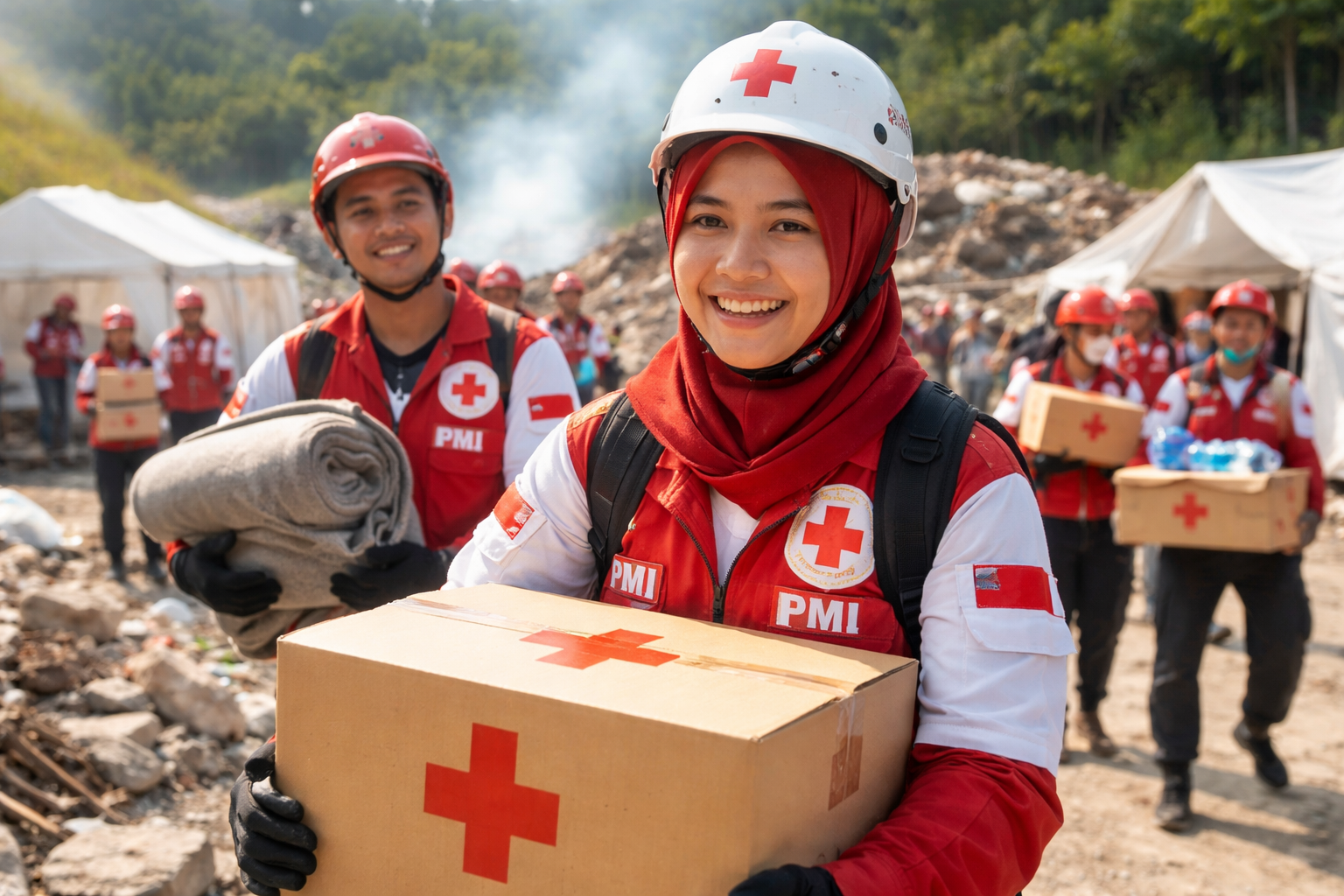
Korps sukarela is not just a simple volunteer group; it represents a disciplined and organized force driven by humanity and service. The term “korps sukarela” refers to a structured volunteer corps that plays a critical role in helping communities during emergencies, health crises, and social challenges. These volunteers are trained, committed, and guided by strong ethical principles, making them highly reliable in situations where immediate action is required. Their presence often brings hope and support to people facing difficult circumstances, especially in disaster-prone areas.
However, while korps sukarela is widely respected for its positive contributions, it also faces several challenges that cannot be ignored. Limited resources, emotional stress, and volunteer burnout are real issues that impact their effectiveness. Despite these obstacles, the organization continues to grow and adapt, proving its importance in modern society. Understanding both the strengths and weaknesses of korps sukarela provides a balanced view of its true impact.
What is Korps Sukarela?
Korps sukarela is a group of individuals who voluntarily come together to serve society without expecting financial rewards. The keyword korps sukarela itself highlights the essence of voluntary service, where people dedicate their time and skills to help others in need. These volunteers are not untrained helpers; they undergo proper training in areas such as first aid, disaster management, and communication. This ensures that they can respond effectively and professionally during emergencies, making them a valuable asset to any community.
The purpose of korps sukarela goes beyond just responding to crises. It also focuses on building awareness, promoting health initiatives, and strengthening community bonds. This dual approach allows the organization to not only react to problems but also prevent them. While this makes korps sukarela highly effective, it also requires continuous effort and commitment from its members, which can sometimes be challenging to maintain over time.
History and Evolution of Korps Sukarela
The concept of korps sukarela originated from the need for organized volunteer efforts in society. In the early stages, volunteer activities were informal and lacked proper coordination, which limited their impact. Over time, these efforts were structured into organized units under established organizations, leading to the development of a more efficient and reliable system. This transformation marked the beginning of korps sukarela as a recognized and respected volunteer corps.
In the modern era, korps sukarela has expanded significantly, becoming a widespread network that operates at various levels. From local communities to larger institutional units, its presence has grown stronger over time. This expansion has increased its ability to respond to different types of challenges, but it has also introduced new complexities, such as maintaining consistent standards and ensuring effective coordination among members.
Organizational Structure of Korps Sukarela
The organizational structure of korps sukarela is designed to ensure efficiency and proper coordination. It typically includes multiple levels, such as national, regional, and local units, each with specific roles and responsibilities. This structured approach allows for better planning and execution of activities, especially during large-scale emergencies. However, it can also create challenges in terms of communication and decision-making, particularly when quick action is required.
Membership in korps sukarela usually involves meeting certain criteria and completing basic training programs. These programs are essential for preparing volunteers to handle real-life situations effectively. While this ensures a high level of competence, it can also limit participation for individuals who may not have the time or resources to undergo training. Balancing accessibility and quality remains an ongoing challenge for the organization.
Key Roles and Responsibilities
One of the most important roles of korps sukarela is disaster response. Volunteers are often among the first to arrive at the scene of a disaster, providing immediate assistance such as rescue operations, first aid, and distribution of essential supplies. Their quick response can make a significant difference in saving lives and reducing suffering. However, working in such high-pressure environments can be physically and emotionally demanding for volunteers.
In addition to disaster response, korps sukarela is actively involved in health and social services. This includes organizing blood donation drives, conducting health awareness campaigns, and supporting vulnerable communities. These activities highlight the organization’s commitment to improving overall well-being, not just during emergencies but also in everyday life. Despite these positive contributions, the workload and responsibilities can sometimes become overwhelming for volunteers.
Benefits of Korps Sukarela
Korps sukarela brings numerous benefits to society by strengthening community support systems and promoting a culture of volunteerism. Its presence ensures that help is readily available during emergencies, reducing the burden on government agencies and improving overall response times. This collaboration between volunteers and official services creates a more effective and resilient system for handling crises.
For volunteers, being part of korps sukarela offers valuable opportunities for personal growth. They develop important skills such as leadership, teamwork, and problem-solving, which can be beneficial in both personal and professional life. However, the experience is not always easy, as volunteers often face stress and fatigue. Managing these challenges is essential to ensure long-term engagement and satisfaction.
Challenges Faced by Korps Sukarela
Despite its many strengths, korps sukarela faces several challenges that can impact its effectiveness. One of the most significant issues is the lack of resources, including funding, equipment, and logistical support. These limitations can hinder the organization’s ability to respond quickly and efficiently, especially during large-scale emergencies. Addressing these resource gaps is crucial for improving performance.
Another major challenge is maintaining volunteer motivation and retention. Since korps sukarela relies on voluntary participation, there is always a risk of declining commitment over time. Factors such as burnout, lack of recognition, and personal responsibilities can affect volunteer engagement. This creates instability within the organization and makes it difficult to maintain a consistent level of service.
Importance of Korps Sukarela in Modern Society
In today’s world, korps sukarela plays a vital role in supporting communities and enhancing disaster preparedness. Its ability to provide immediate assistance makes it an essential part of emergency response systems, particularly in regions that frequently experience natural disasters. Without the support of such volunteer corps, many communities would struggle to cope with crises effectively.
Beyond emergency response, korps sukarela also contributes to long-term community development. By promoting awareness and preparedness, it helps individuals become more self-reliant and resilient. This proactive approach not only reduces the impact of disasters but also strengthens the overall social structure. However, achieving these goals requires continuous effort and collaboration.
Future of Korps Sukarela
The future of korps sukarela holds great potential, with increasing recognition of the importance of volunteerism. Technological advancements can further enhance its capabilities by improving communication and coordination among members. This can lead to more efficient and effective operations, allowing the organization to reach more people in need.
At the same time, there is a need for greater support and recognition from society. Providing adequate resources and acknowledging the contributions of volunteers can significantly improve motivation and performance. Without such support, the growth of korps sukarela may face limitations. Ensuring sustainability is key to maintaining its positive impact.
Conclusion
Korps sukarela stands as a powerful force of volunteerism that continues to transform communities through its dedication and service. Its role in disaster response, health services, and social support makes it an invaluable part of modern society. The keyword korps sukarela represents not just an organization but a movement driven by compassion and responsibility.
While the challenges it faces are real, they do not overshadow its positive impact. With proper support, recognition, and continuous improvement, korps sukarela can achieve even greater success in the future. It remains a symbol of hope, proving that collective effort and selfless service can make a meaningful difference in the world.
