
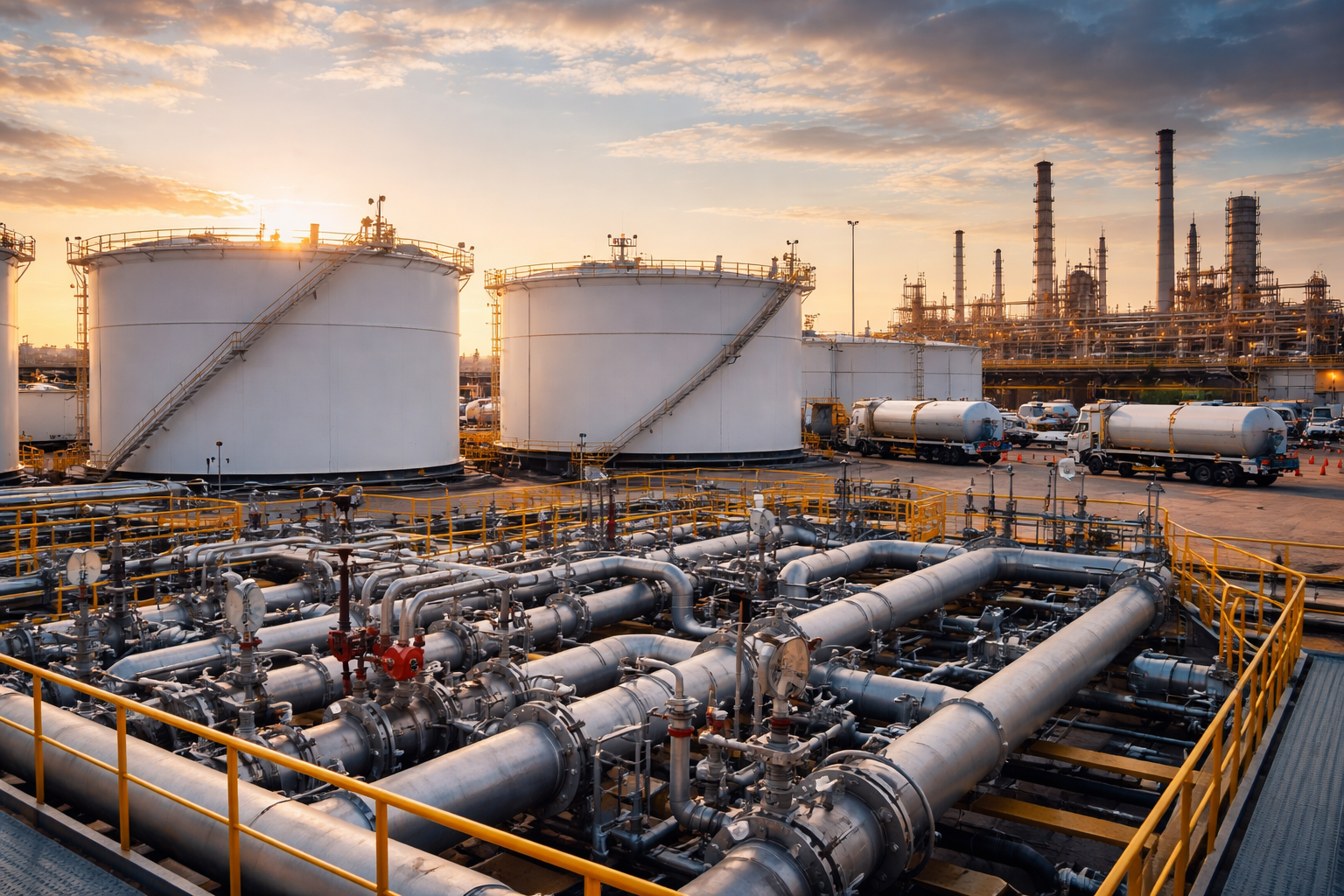
Decreto Supremo 160 stands as a significant regulatory framework that governs safety practices and operational standards in industries dealing with liquid fuels. It represents a structured legal instrument designed to ensure that all processes involving production, refining, transportation, storage, and distribution are conducted under strict safety measures. This decree has become a central reference point for organizations operating in fuel-related sectors, as it defines not only technical requirements but also responsibilities that must be fulfilled to maintain compliance.
The importance of Decreto Supremo 160 lies in its comprehensive nature, as it integrates safety, environmental protection, and operational efficiency into a unified regulatory approach. It addresses the risks associated with handling flammable and hazardous substances by establishing guidelines that reduce the likelihood of accidents. Companies operating within its scope must adopt systematic procedures to ensure that every stage of fuel handling aligns with the standards defined in this decree.
Scope and Application of Decreto Supremo 160
Decreto Supremo 160 applies to a wide range of activities involving liquid fuels, covering everything from industrial production facilities to retail distribution points. It ensures that all entities involved in these processes operate within a clearly defined safety framework, regardless of the scale of their operations. This broad applicability makes it a critical regulation for both large corporations and smaller enterprises that handle fuels in any capacity.
The decree encompasses facilities such as refineries, storage terminals, pipelines, and service stations, requiring each of them to meet specific technical and operational standards. It also extends to transportation systems, including tankers and delivery vehicles, ensuring that safety is maintained even during the movement of fuels. By covering every stage of the fuel lifecycle, Decreto Supremo 160 minimizes risks and ensures consistent safety practices across the entire industry.
Safety Standards and Technical Requirements
One of the most defining aspects of Decreto Supremo 160 is its emphasis on strict safety standards and technical requirements. These standards are designed to address the inherent risks associated with flammable substances, ensuring that facilities are constructed and maintained in a way that prevents accidents. The decree outlines detailed specifications for equipment, infrastructure, and operational procedures, making compliance a structured and measurable process.
The technical requirements extend to the design and installation of storage tanks, pipelines, and processing units, ensuring that they meet high-quality standards. Regular inspections and maintenance are mandatory, with organizations required to identify potential hazards and take corrective actions before they lead to incidents. This proactive approach to safety is a cornerstone of the decree, reflecting its focus on prevention rather than reaction.
Operational Guidelines and Compliance
Decreto Supremo 160 establishes clear operational guidelines that organizations must follow to remain compliant. These guidelines cover daily activities, ensuring that all processes are conducted safely and efficiently. Companies must implement standardized procedures for handling fuels, including protocols for loading, unloading, and transferring substances. These procedures are designed to minimize human error and reduce the risk of accidents.
Compliance with the decree is not optional, as it is enforced through regulatory oversight and inspections. Organizations are required to maintain detailed records of their operations, demonstrating that they adhere to the established standards. Failure to comply can result in penalties, making it essential for companies to integrate these guidelines into their daily practices. This structured approach ensures accountability and promotes a culture of safety within the industry.
Risk Management and Prevention Measures
Risk management is a central element of Decreto Supremo 160, as it focuses on identifying and mitigating potential hazards before they escalate into serious incidents. Organizations must conduct thorough risk assessments to evaluate the dangers associated with their operations. These assessments help in understanding the likelihood and impact of various risks, enabling companies to develop effective mitigation strategies.
Prevention measures outlined in the decree include the use of advanced monitoring systems, regular safety audits, and employee training programs. These measures ensure that potential issues are detected early and addressed promptly. By emphasizing risk management, Decreto Supremo 160 encourages organizations to adopt a proactive approach to safety, reducing the chances of accidents and improving overall operational reliability.
Environmental Protection and Sustainability
Decreto Supremo 160 also plays a crucial role in promoting environmental protection and sustainability within the fuel industry. It recognizes the potential environmental impact of fuel-related activities and establishes guidelines to minimize harm. Organizations must implement measures to prevent leaks, spills, and emissions that could damage ecosystems.
The decree requires companies to adopt environmentally responsible practices, including proper waste management and the use of technologies that reduce pollution. By integrating environmental considerations into its framework, Decreto Supremo 160 ensures that industrial activities do not compromise ecological balance. This approach reflects a broader commitment to sustainable development, aligning industrial growth with environmental preservation.
Responsibilities of Operators and Organizations
Under Decreto Supremo 160, operators and organizations bear significant responsibilities for ensuring compliance and maintaining safety standards. They are required to establish internal policies and procedures that align with the decree, ensuring that all employees understand and follow the guidelines. This includes providing training programs that equip workers with the knowledge and skills needed to handle fuels safely.
Organizations must also appoint qualified personnel to oversee safety operations, ensuring that there is clear accountability at every level. These individuals are responsible for monitoring compliance, conducting inspections, and implementing corrective actions when necessary. By assigning specific responsibilities, the decree ensures that safety is not just a theoretical concept but a practical and enforceable requirement.
Inspection, Monitoring, and Enforcement
Inspection and monitoring are essential components of Decreto Supremo 160, as they ensure that organizations adhere to the established standards. Regulatory authorities conduct regular inspections to evaluate compliance, reviewing facilities, equipment, and operational practices. These inspections help identify any deviations from the guidelines, allowing corrective measures to be implemented promptly.
Enforcement mechanisms are also in place to ensure that non-compliance is addressed effectively. Organizations that fail to meet the requirements may face penalties, including fines or operational restrictions. This enforcement framework reinforces the importance of compliance, encouraging companies to prioritize safety and adhere to the decree’s provisions.
Emergency Preparedness and Response
Decreto Supremo 160 places significant emphasis on emergency preparedness, recognizing that even with preventive measures, incidents can still occur. Organizations are required to develop comprehensive emergency response plans that outline procedures for handling accidents, such as fires, explosions, or fuel spills. These plans must be regularly updated and tested to ensure their effectiveness.
Training programs are an integral part of emergency preparedness, ensuring that employees know how to respond in critical situations. This includes evacuation procedures, first aid measures, and coordination with emergency services. By preparing for potential emergencies, the decree ensures that organizations can respond quickly and effectively, minimizing damage and protecting lives.
Continuous Improvement and Updates
Decreto Supremo 160 is not a static regulation but a dynamic framework that evolves over time. It undergoes periodic updates to incorporate new technologies, industry practices, and safety standards. This ensures that the decree remains relevant and effective in addressing emerging challenges within the fuel industry.
Organizations must stay informed about these updates and adapt their practices accordingly. Continuous improvement is encouraged, with companies expected to review their operations regularly and implement enhancements that align with the latest standards. This commitment to progress ensures that safety and efficiency are continually improved, benefiting both the industry and society.
Impact on Industry Practices
The implementation of Decreto Supremo 160 has had a profound impact on industry practices, transforming the way organizations handle liquid fuels. It has introduced a culture of safety and accountability, ensuring that all activities are conducted with a high level of precision and care. Companies have invested in advanced technologies and training programs to meet the decree’s requirements, leading to improved operational efficiency.
The decree has also fostered greater transparency, as organizations are required to maintain detailed records and demonstrate compliance. This has enhanced trust among stakeholders, including regulators, customers, and the public. By setting clear standards and expectations, Decreto Supremo 160 has contributed to the overall development and modernization of the fuel industry.
Challenges in Implementation
Despite its benefits, implementing Decreto Supremo 160 can present challenges for organizations. Compliance requires significant investment in infrastructure, technology, and training, which can be particularly demanding for smaller enterprises. These organizations must allocate resources carefully to meet the requirements without compromising their financial stability.
Another challenge lies in maintaining consistent compliance, as it requires ongoing effort and vigilance. Organizations must continuously monitor their operations, conduct inspections, and update their practices to align with evolving standards. While these challenges can be demanding, they are essential for ensuring safety and sustainability in the long term.
Importance of Training and Awareness
Training and awareness are critical components of Decreto Supremo 160, as they ensure that employees understand their roles and responsibilities. Organizations must provide comprehensive training programs that cover all aspects of fuel handling, from basic safety procedures to advanced risk management techniques. These programs help create a knowledgeable workforce capable of maintaining high safety standards.
Awareness campaigns are also important, as they reinforce the importance of compliance and encourage a proactive approach to safety. Employees must be aware of the potential risks associated with their work and the measures required to mitigate them. By fostering a culture of awareness, organizations can enhance their overall safety performance and reduce the likelihood of incidents.
Technological Integration and Innovation
Decreto Supremo 160 encourages the integration of technology and innovation to improve safety and efficiency. Organizations are increasingly adopting advanced monitoring systems, automation, and data analytics to enhance their operations. These technologies provide real-time insights into processes, enabling quick detection of anomalies and potential hazards.
Innovation also plays a role in developing safer and more efficient equipment, reducing the risks associated with fuel handling. By embracing technological advancements, organizations can not only comply with the decree but also gain a competitive advantage in the industry. This focus on innovation ensures that the fuel sector continues to evolve and improve over time.
Conclusion
Decreto Supremo 160 represents a comprehensive and robust regulatory framework that governs the safe handling of liquid fuels. Its emphasis on safety, environmental protection, and operational efficiency makes it a cornerstone of industry practices. By establishing clear standards and responsibilities, it ensures that organizations operate in a manner that minimizes risks and protects both people and the environment.
The decree’s impact extends beyond compliance, as it promotes a culture of continuous improvement and innovation. Organizations that adhere to its guidelines benefit from enhanced safety, efficiency, and credibility. As the industry continues to evolve, Decreto Supremo 160 remains a vital tool for ensuring that fuel-related activities are conducted responsibly and sustainably.
