
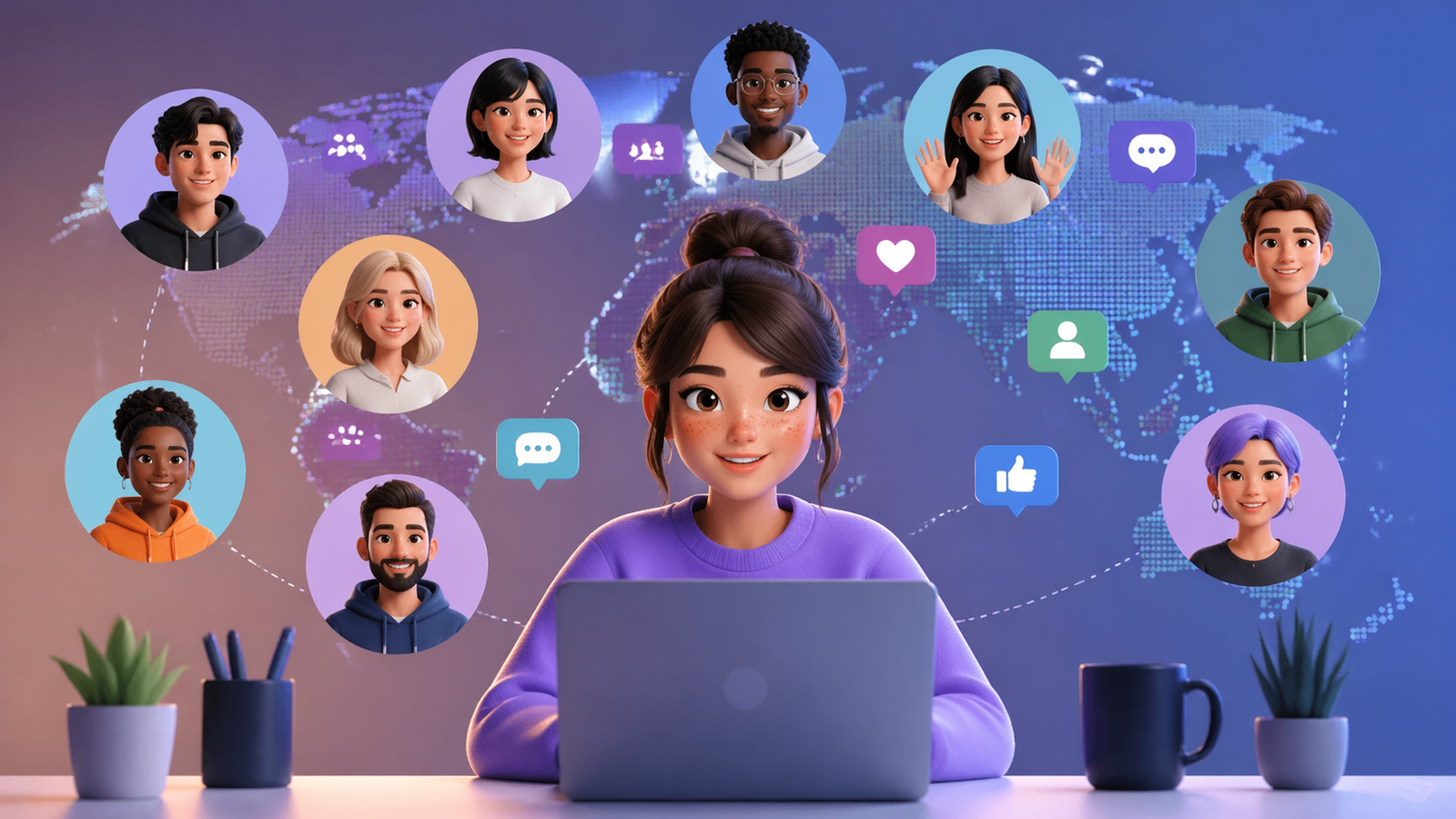
Online communication has changed fast. Text alone is no longer enough to express identity, tone, or emotion. People now rely on visuals, and avatars play a central role in this shift. From social media to virtual meetings, avatars help users present themselves, build trust, and interact more naturally. This article explains how avatars influence modern communication and why more people choose to create their avatar for digital interactions.
What Is an Avatar in Online Communication?
An avatar is a digital representation of a user. It can be a simple profile picture, a cartoon figure, or a fully animated 3D character used in virtual spaces.
Key Definition
Avatar: A visual identity that represents a person in digital environments such as social media, games, forums, or virtual meetings.
Avatars are not new. Early forums used static images, while gaming platforms introduced customizable characters. Today, avatars are more advanced and interactive, appearing in video calls, virtual reality platforms, and even AI-powered chats.
Modern avatars often include facial expressions, gestures, and voice syncing. This makes them feel more human and relatable. As a result, communication becomes richer and more engaging.
Takeaway: Avatars transform simple online profiles into expressive digital identities that improve interaction and clarity.
Why Avatars Matter in Digital Communication
Avatars fill a gap that text and voice alone cannot cover. They add a visual layer that helps people understand emotions, intent, and personality.
1. They Improve Emotional Expression
Text messages can be misunderstood. An avatar with facial expressions or gestures reduces confusion. For example, a smiling avatar signals friendliness, while a serious one shows focus.
2. They Build Identity and Personal Branding
People want to stand out online. Avatars help create a consistent identity across platforms. This is especially useful for creators, freelancers, and professionals.
3. They Enhance Engagement
Visual content attracts more attention than plain text. Avatars make conversations feel dynamic and interactive, which keeps users engaged longer.
4. They Support Privacy
Not everyone wants to share real photos. Avatars offer a safe alternative while still allowing personal expression.
Takeaway: Avatars make online communication clearer, more engaging, and safer by combining identity with visual expression.
Where Avatars Are Used Today
Avatars are now part of many digital platforms. Their role varies depending on the context.
Social Media Platforms
Apps like Instagram, Snapchat, and TikTok allow users to create stylized avatars. These avatars represent users in stories, comments, and messages.
Gaming and Virtual Worlds
Games like Roblox and Fortnite rely heavily on avatars. Players interact through their characters, which act as their digital identity.
Professional Communication
Platforms like Zoom and Microsoft Teams are experimenting with avatars for meetings. These avatars can mimic facial movements and reduce screen fatigue.
Metaverse and Virtual Reality
In virtual spaces, avatars are essential. They allow users to move, interact, and communicate as if they were physically present.
For more insights on digital trends, you can explore related topics on platforms like newslikeyou.net that cover evolving online behaviors.
Takeaway: Avatars are used across social, professional, and virtual platforms, making them a core part of modern communication.
Why People Choose to Create Your Avatar
The rise of avatar tools has made it easy for anyone to design a digital identity. But why are so many users doing it?
Personalization
Users can customize every detail, from hairstyle to clothing. This allows them to express individuality.
Accessibility
Avatar creators are simple and widely available. Many platforms offer free tools with easy interfaces.
Creativity
Designing an avatar is fun. It allows users to experiment with different looks and styles without real-world limits.
Representation
Avatars help users represent cultural, gender, or personal identities more accurately than stock images.
Practical Benefits
- No need for professional photos
- Consistent appearance across platforms
- Easy updates and changes
Takeaway: People create avatars because they offer control, creativity, and convenience in shaping digital identity.
How Avatars Influence Communication Style
Avatars do more than represent users. They change how people communicate.
More Visual Conversations
Users rely less on long text messages. Instead, they use avatar reactions, gestures, and animations.
Faster Interaction
Visual cues speed up understanding. A quick avatar expression can replace multiple sentences.
Increased Authenticity
Even though avatars are digital, they can feel more genuine when they reflect personality accurately.
Reduced Social Anxiety
Some users feel more comfortable communicating through avatars. This is especially true in virtual meetings or online communities.
According to a report by Pew Research Center, digital tools that enhance self-expression improve user engagement and comfort in online spaces.
Takeaway: Avatars reshape communication by making it faster, more visual, and more comfortable for users.
Challenges and Limitations of Avatars
Despite their benefits, avatars also have drawbacks.
Misrepresentation
Some users may create avatars that do not reflect their real identity, leading to trust issues.
Over-Simplification
Avatars may not capture complex emotions fully, especially in professional settings.
Technical Barriers
Advanced avatars require better devices and internet connections, which not everyone has.
Cultural Sensitivity
Designing inclusive avatars can be challenging. Poor representation may exclude certain groups.
To better understand digital ethics, refer to resources from organizations like the Electronic Frontier Foundation.
Takeaway: While avatars enhance communication, they must be used carefully to avoid misrepresentation and exclusion.
Best Practices for Using Avatars Effectively
If you want to use avatars in communication, follow these simple guidelines:
Keep It Authentic
Choose a design that reflects your personality and purpose.
Match the Context
Use professional avatars for work and casual ones for social platforms.
Update Regularly
Keep your avatar relevant as your style or role changes.
Avoid Overcomplication
Simple designs often work better and are easier to recognize.
Ensure Inclusivity
Respect cultural and social diversity when creating avatars.
Takeaway: Effective avatars are simple, authentic, and aligned with the context in which they are used.
FAQs
1. What is the main purpose of an avatar?
An avatar represents a user visually in digital spaces, helping express identity and emotions.
Takeaway: Avatars act as visual identities that improve communication clarity.
2. Are avatars better than real photos?
Not always. Avatars are useful for privacy and creativity, while real photos may build stronger trust in some contexts.
Takeaway: Avatars and real photos serve different purposes depending on the situation.
3. Can avatars improve online engagement?
Yes. Visual elements like avatars attract attention and make interactions more engaging.
Takeaway: Avatars increase engagement by making communication more dynamic.
4. Is it safe to use avatars online?
Yes, as long as you avoid sharing sensitive information and use trusted platforms.
Takeaway: Avatars can enhance privacy when used responsibly.
5. Why should I create your avatar?
Creating an avatar allows you to control your digital identity and communicate more effectively.
Takeaway: Creating an avatar gives you flexibility and control in online communication.
Conclusion
Avatars are no longer optional in digital communication. They have become a key tool for expressing identity, improving engagement, and making interactions more human. As online platforms continue to evolve, avatars will play an even bigger role in how people connect and communicate.
They offer a balance between personalization and privacy, making them suitable for both social and professional use. While there are challenges, thoughtful use can unlock their full potential.
Final Takeaway: Avatars are shaping the future of online communication by combining identity, expression, and interaction into one powerful visual tool.
