
Crocolini has emerged as one of the most intriguing additions to the world of fresh vegetables, capturing the attention of both everyday consumers and culinary professionals. As people increasingly move toward healthier lifestyles, there is a growing demand for foods that are not only nutritious but also enjoyable and convenient to prepare. Crocolini fits perfectly into this evolving landscape, offering a balance of flavor, texture, and nutritional value that makes it stand out among traditional greens. It represents a shift in how vegetables are developed and consumed, combining innovation with practicality in a way that resonates with modern dietary needs. Understanding crocolini requires looking beyond its surface appearance and exploring the science, taste, cultural relevance, and health impact that make it a truly distinctive ingredient.
The Evolution and Development of Crocolini
Crocolini is not a naturally occurring plant that has been discovered in the wild but rather a product of careful agricultural advancement. Over time, plant breeders have worked to improve vegetables by selecting specific traits that enhance their usability, flavor, and resilience. Crocolini is the result of such deliberate efforts, combining desirable characteristics from closely related plants within the same botanical family. This process of selective breeding ensures that the vegetable maintains a natural genetic foundation while evolving into a more refined and consumer-friendly form.
The development of crocolini reflects a broader trend in agriculture where the focus has shifted toward creating produce that aligns with modern expectations. People today seek vegetables that are easy to cook, appealing in taste, and rich in nutrients. Traditional greens like broccoli and kale, while highly beneficial, sometimes present challenges such as bitterness or toughness. Crocolini addresses these issues by offering a milder flavor and a more tender structure, making it accessible to a wider audience. This evolution demonstrates how agricultural practices continue to adapt to changing consumer preferences without compromising the natural integrity of the food.
Physical Characteristics and Unique Appearance
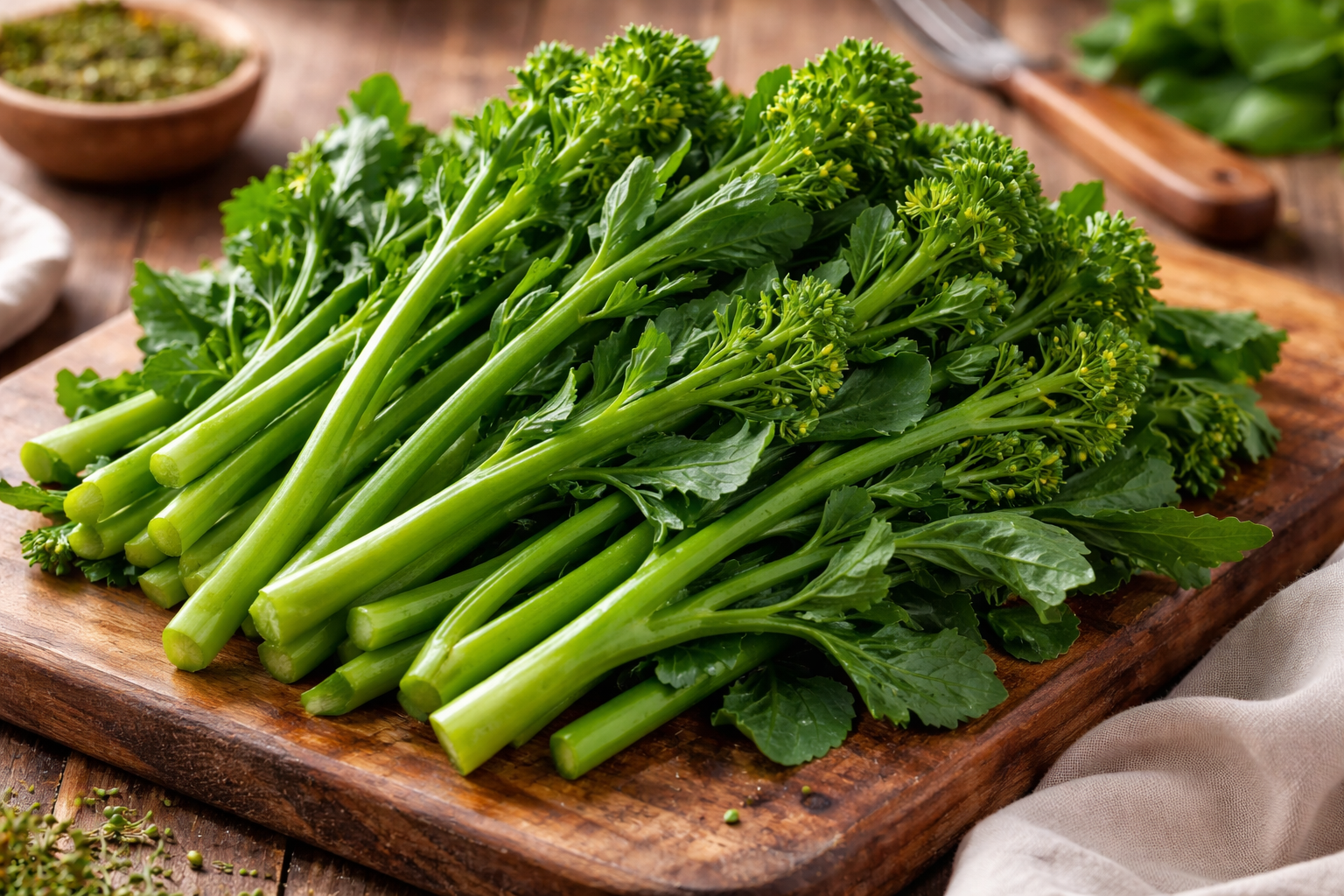
Crocolini possesses a distinctive appearance that sets it apart from more familiar vegetables. Its stems are slender and elongated, providing a delicate yet sturdy base that supports small, compact florets. The leaves are soft and vibrant, contributing to both the visual appeal and the overall edibility of the plant. Unlike some vegetables that require trimming or discarding certain parts, crocolini can be used in its entirety, reducing waste and simplifying preparation.
The color of crocolini is typically a rich, deep green, which is often associated with high nutrient content. This visual characteristic alone can make it an attractive addition to a dish, enhancing both presentation and perceived freshness. The balance between its stems, leaves, and florets creates a harmonious structure that is not only pleasing to the eye but also practical in cooking. Each component cooks at a similar rate, allowing for consistent texture and flavor throughout the dish. This uniformity is one of the subtle yet significant advantages that crocolini offers over other vegetables.
Flavor Profile and Culinary Experience
The flavor of crocolini is one of its most compelling attributes, offering a taste that is both familiar and refined. It carries a gentle earthiness that is reminiscent of traditional greens but without the overpowering bitterness that can sometimes discourage consumption. There is a natural sweetness that becomes more pronounced when the vegetable is cooked, adding depth and complexity to its overall profile. This balance makes crocolini versatile enough to be used in a wide range of culinary applications.
Texture plays an equally important role in the culinary experience of crocolini. The stems are tender yet slightly crisp, providing a satisfying bite, while the leaves soften quickly, creating a smooth and pleasant mouthfeel. The small florets add a subtle variation in texture, enhancing the overall sensory experience of the dish. This combination allows crocolini to adapt seamlessly to different cooking methods, whether it is lightly sautéed, gently steamed, or roasted to bring out its natural sweetness. The result is a vegetable that not only tastes good but also feels satisfying to eat, encouraging repeated use in everyday meals.
Nutritional Value and Health Benefits
Crocolini stands out as a nutrient-dense vegetable, offering a wide range of health benefits that contribute to overall well-being. It is rich in essential vitamins such as vitamin C, which supports immune function and helps protect the body from infections. Vitamin K is another key component, playing a crucial role in maintaining bone health and aiding in proper blood clotting. These nutrients are fundamental to maintaining a healthy body, making crocolini a valuable addition to any diet.
In addition to vitamins, crocolini provides dietary fiber, which is essential for digestive health. Fiber helps regulate the digestive system, supports beneficial gut bacteria, and contributes to a feeling of fullness that can aid in weight management. The presence of antioxidants further enhances its health benefits by helping to neutralize harmful free radicals in the body. This protective effect can reduce the risk of chronic diseases and support long-term health. The combination of these nutritional elements makes crocolini a powerful food choice for those seeking to improve their dietary habits in a sustainable and enjoyable way.
Crocolini in Modern Cooking Practices
The versatility of crocolini has made it a popular choice in contemporary kitchens, where efficiency and creativity are highly valued. Its ability to cook quickly without losing its texture or flavor makes it ideal for busy lifestyles. A simple preparation involving a light sauté with olive oil and garlic can transform crocolini into a flavorful side dish that complements a wide range of main courses. This simplicity allows even those with limited cooking experience to incorporate it into their meals with ease.
Crocolini also adapts well to more complex culinary techniques, making it suitable for professional chefs and home cooks alike. It can be integrated into pasta dishes, stir-fries, soups, and grain-based meals, adding both nutritional value and visual appeal. Its mild flavor allows it to blend harmoniously with various ingredients, from proteins to spices, without overpowering them. This adaptability makes crocolini a valuable ingredient in creating balanced and satisfying meals that cater to diverse tastes and preferences.
Agricultural Advantages and Sustainability
Crocolini offers several advantages from an agricultural perspective, contributing to its growing popularity among farmers and producers. Its resilience and adaptability make it suitable for cultivation in different climates, allowing for a more consistent supply. The plant’s structure also enables efficient harvesting, reducing labor and increasing productivity. These factors contribute to its economic viability, making it an attractive option for growers looking to meet the demands of modern markets.
Sustainability is another important aspect of crocolini’s appeal. The ability to use the entire plant minimizes waste, aligning with efforts to promote more responsible food consumption. Additionally, the efficient growth cycle of crocolini can reduce the environmental impact associated with farming, such as water usage and resource consumption. As awareness of environmental issues continues to grow, vegetables like crocolini that support sustainable practices are likely to become increasingly important in the global food system.
Cultural Relevance and Growing Popularity
The rise of crocolini reflects broader cultural shifts in how people approach food and nutrition. There is a growing emphasis on plant-based diets and the inclusion of nutrient-rich vegetables in everyday meals. Crocolini fits seamlessly into this trend, offering a modern alternative that aligns with contemporary values of health, sustainability, and convenience. Its increasing presence in markets and restaurants indicates a shift toward more innovative and diverse food options.
As more people become aware of the benefits of crocolini, its popularity continues to expand across different regions. It is being embraced not only for its health advantages but also for its culinary potential. This growing recognition is supported by a desire to explore new ingredients and enhance the quality of everyday meals. Crocolini represents a fusion of tradition and innovation, bridging the gap between familiar flavors and modern advancements in food production.
The Role of Crocolini in a Balanced Diet
Incorporating crocolini into a balanced diet can have a positive impact on overall health and well-being. Its nutrient density makes it an excellent choice for those looking to maximize the nutritional value of their meals without adding excessive calories. This makes it particularly beneficial for individuals aiming to maintain a healthy weight while ensuring they receive essential nutrients.
Crocolini can be paired with a variety of other foods to create well-rounded meals that support different dietary needs. Its compatibility with proteins, grains, and healthy fats allows for the creation of dishes that are both satisfying and nourishing. By including crocolini in regular meal planning, individuals can enjoy a diverse and balanced diet that supports long-term health goals. This integration into everyday eating habits highlights its practicality and relevance in modern nutrition.
Future Potential and Continued Growth
The future of crocolini appears promising as it continues to gain recognition and acceptance in the global food landscape. Ongoing advancements in agricultural techniques and consumer awareness are likely to further enhance its availability and popularity. As more people seek out healthier and more sustainable food options, crocolini is well-positioned to meet these demands.
Innovation in food production and culinary practices may also lead to new variations and uses for crocolini, expanding its role in the kitchen. Its adaptability and appeal make it a strong candidate for continued growth, both as a staple ingredient and as a symbol of modern food innovation. The increasing focus on health, sustainability, and convenience ensures that crocolini will remain relevant and valuable in the years to come.
Conclusion
Crocolini represents a remarkable blend of innovation, nutrition, and culinary versatility, offering a fresh perspective on what a modern vegetable can be. Its development through careful breeding has resulted in a product that addresses the limitations of traditional greens while enhancing their strengths. With its balanced flavor, tender texture, and impressive nutritional profile, crocolini provides a practical and enjoyable way to improve everyday eating habits. As it continues to gain popularity and recognition, crocolini stands as a testament to the evolving relationship between agriculture, health, and food culture, making it a valuable addition to diets around the world.
