
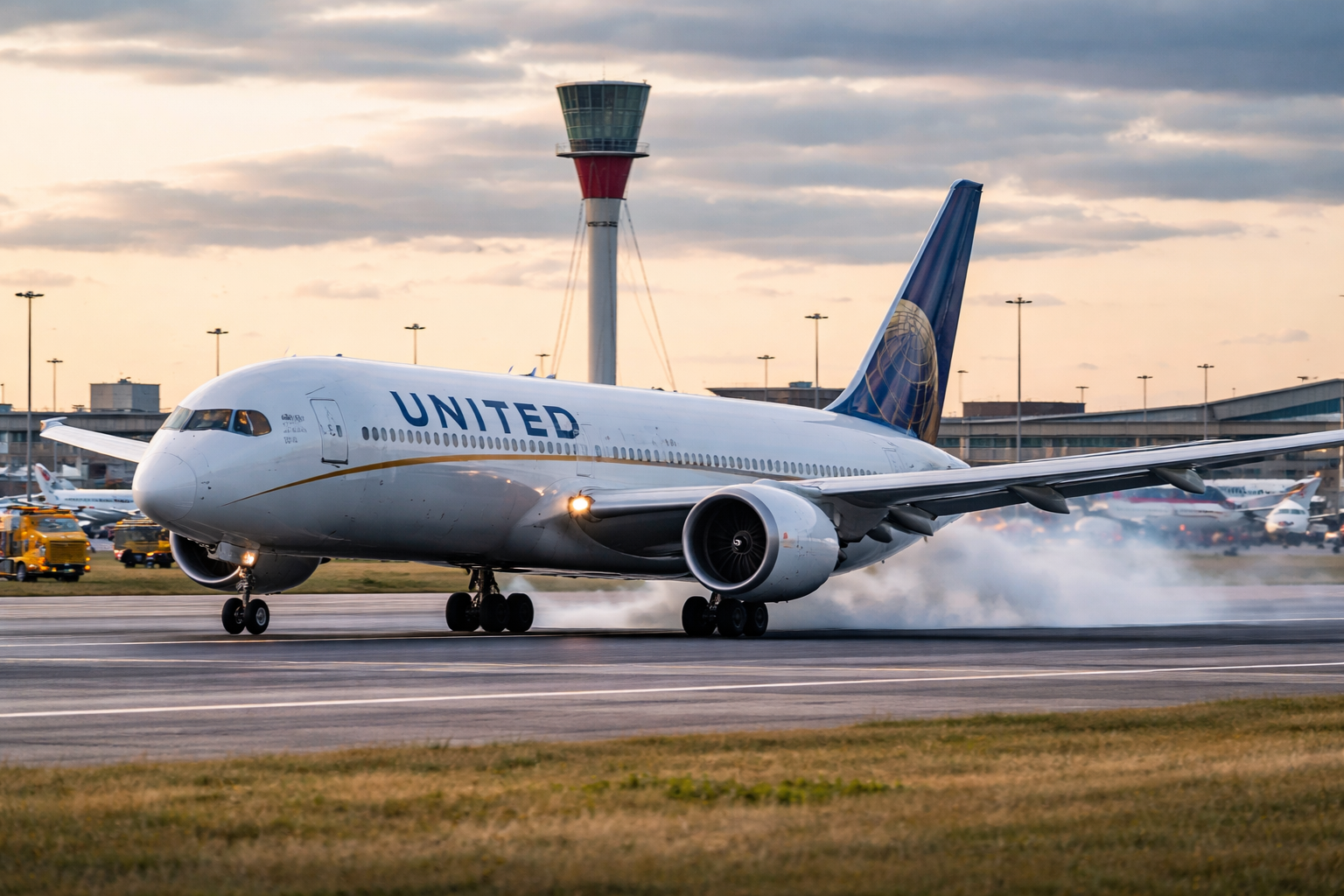
The united airlines flight ua770 emergency diversion quickly became a widely discussed aviation incident, drawing attention from travelers and industry observers alike. When a commercial aircraft declares an emergency mid-flight, it naturally raises concerns, but in reality, such decisions are often part of standard safety procedures rather than signs of danger.
Understanding the united airlines flight ua770 emergency diversion requires a deeper look into how modern aviation works, how pilots respond to technical alerts, and why precautionary landings are considered a success rather than a failure. This article explores every aspect of the incident in a clear, expert-driven way.
What Happened During United Airlines Flight UA770 Emergency Diversion
The united airlines flight ua770 emergency diversion occurred while the aircraft was cruising at high altitude on a long-haul international route. Everything appeared normal until the flight crew detected an issue that required immediate attention and further evaluation.
Instead of continuing toward the destination, the pilots made the decision to declare an emergency and change course. This decision reflects the aviation industry’s strict commitment to safety, where even minor irregularities are treated seriously.
Why the Emergency Was Declared
The most likely reason behind the united airlines flight ua770 emergency diversion was a technical or system-related alert. Modern aircraft are equipped with advanced monitoring systems that detect even the smallest abnormalities, ensuring that nothing is overlooked.
Pilots are trained to respond immediately to such alerts, even if the issue does not seem critical. This preventive approach ensures that potential risks are addressed early rather than becoming serious problems later in the flight.
The Decision to Divert the Aircraft
The decision to divert during the united airlines flight ua770 emergency diversion was based on careful evaluation and professional judgment. Pilots always consider the safest and quickest option, which often means landing at the nearest suitable airport.
Continuing a long flight with an unresolved issue is never recommended, especially on transatlantic routes. By diverting early, the crew ensures that passengers remain safe and that the aircraft can be inspected properly.
How Pilots Managed the Situation
During the united airlines flight ua770 emergency diversion, the pilots followed standard emergency protocols without delay. They communicated with air traffic control, adjusted the flight path, and prepared for a safe landing at the diversion airport.
At the same time, the cabin crew played an important role in keeping passengers calm and informed. Clear communication and professional behavior helped maintain a controlled and reassuring environment inside the aircraft.
Passenger Experience Onboard
Passengers on the united airlines flight ua770 emergency diversion experienced an unexpected change in their journey, but the situation remained calm throughout. Most travelers noticed the early descent and were informed about the diversion through announcements.
The crew ensured that passengers understood the situation without causing unnecessary concern. This level of communication is essential in maintaining trust and preventing panic during such incidents.
Why Emergency Diversions Are Not Unusual
The united airlines flight ua770 emergency diversion may sound alarming, but emergency diversions are a normal part of aviation safety. Airlines prioritize precaution over risk, which means taking action even when the threat level is low.
Such decisions are based on strict safety guidelines and years of industry experience. In most cases, diversions are handled smoothly and result in safe outcomes, just like this incident.
Role of Aircraft Technology in the Incident
Advanced aircraft systems likely played a key role in the united airlines flight ua770 emergency diversion by detecting the issue early. The Boeing 787 is designed with sophisticated sensors that constantly monitor performance and alert pilots to any irregularities.
This technology allows pilots to make informed decisions quickly and accurately. It also ensures that potential problems are identified before they escalate into serious situations.
Safety Procedures That Ensured a Safe Outcome
The successful outcome of the united airlines flight ua770 emergency diversion highlights the effectiveness of modern aviation safety procedures. From the moment the issue was detected, every step was guided by well-established protocols.
Air traffic control, airport emergency services, and airline operations all worked together to ensure a smooth and safe landing. This coordination is a key reason why aviation remains one of the safest forms of travel.
What This Incident Means for Air Travelers
For passengers, the united airlines flight ua770 emergency diversion serves as a reminder that safety systems in aviation are designed to protect them at every stage of the journey. While the term “emergency” may sound serious, it often reflects a cautious and responsible decision.
Travelers can feel reassured knowing that pilots are trained to handle such situations with precision and professionalism. Every decision is made with passenger safety as the top priority.
Conclusion
The united airlines flight ua770 emergency diversion is a clear example of how modern aviation handles unexpected situations with efficiency and care. The quick decision by the pilots, combined with advanced aircraft technology and strong coordination, ensured a safe outcome for everyone onboard.
Rather than being a cause for alarm, this incident demonstrates how well aviation safety systems work in real-world conditions. The united airlines flight ua770 emergency diversion ultimately reinforces confidence in air travel, showing that even unexpected events are managed with expertise and control.
